
Igniting Minds: A Guide to Boosting Student Engagement
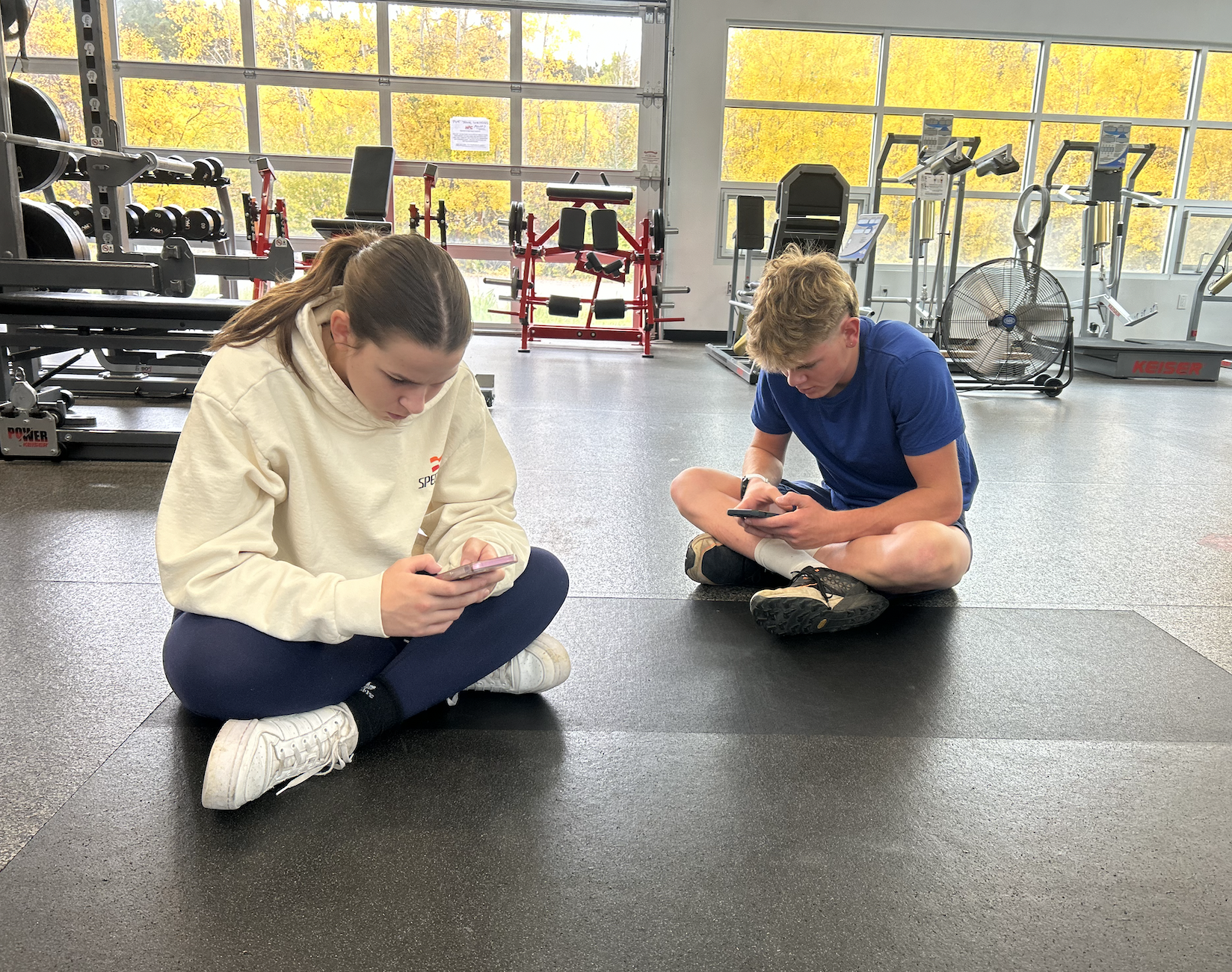
A noticeable shift is happening in classrooms across the country. Educators are observing a concerning trend: a decline in student engagement. This isn't just about students being distracted; it's a deeper issue of waning motivation, curiosity, and active participation in learning. Understanding the scope of this challenge is the first step toward reigniting the spark in our students.
The Waning Pulse of Student Engagement
Recent data paints a clear picture of the current educational landscape. A 2024 Pew Research Center survey reveals that many teachers hold negative views about student performance and behavior. A striking 48% of teachers say the academic performance of most students at their school is fair or poor. This sentiment is echoed by findings that show students’ behavior is also a concern, with 49% of teachers rating it as fair or poor.
The aftermath of the COVID-19 pandemic has intensified these challenges. According to the EdWeek Research Center, both student motivation and morale saw a significant drop following the shift in learning environments. Half of the students surveyed reported feeling less motivated, and an overwhelming 88% of teachers perceived a decrease in student motivation compared to previous years. These figures highlight a critical need to address the root causes of disengagement and find innovative ways to bring energy and focus back into our classrooms.
The Positive Impact of High Engagement
When students are engaged, the results are transformative. Engagement is more than just paying attention; it is the active and enthusiastic participation in learning. It involves curiosity, interest, and a positive emotional connection to the material. Research consistently shows a powerful correlation between high levels of student engagement and improved academic outcomes.
A comprehensive Gallup study involving over 110,000 students found that engagement has a significant positive relationship with academic achievement. Students with high engagement levels saw their achievement in math soar by nearly 22% compared to their less engaged peers. Overall achievement across all subjects was almost 13% higher for engaged students. This demonstrates that when students are invested in their learning, they don't just perform better—they thrive.
Engaged students are more likely to persist through challenges, develop critical thinking skills, and find joy in achieving their learning goals. They take ownership of their education, which sets them up for lifelong success well beyond the classroom walls.
AI-Based Learning: A Game-Changer
How can we foster this crucial engagement in a way that meets the needs of every student? One of the most promising solutions lies in AI-based learning. Artificial intelligence in education is not about replacing teachers but about empowering them with tools that create truly personalized learning experiences.
AI-powered platforms can adapt to each student's unique pace and style of learning. This technology can identify areas where a student is struggling and provide targeted support, or it can offer advanced challenges to those who have mastered a concept. A recent Nature study underscores the transformative potential of AI tools in education, emphasizing their ability to create highly personalized learning paths that cater to individual student needs, paving the way for more engaging and effective learning experiences. This customization ensures that every student is appropriately challenged and supported, which is a powerful driver of engagement.
This approach offers another profound benefit: time. By using AI for core instruction, perhaps for just a couple of hours a day, students can learn efficiently and effectively. This frees up the rest of their school day to pursue passions, engage in project-based learning, collaborate with peers, and explore subjects they are genuinely curious about. This balance helps cultivate a love for learning by connecting core academics with individual interests.
My Personal Success Story
I've seen the incredible impact of these principles firsthand in my own classroom. By focusing on building strong relationships, creating a supportive environment, and using strategies that promote active learning, I have been able to foster a highly engaged group of students. The results speak for themselves: a recent student perception survey revealed that 90% of my students feel engaged in our classroom.
This wasn't achieved by chance. It was the result of intentionally designing lessons that are relevant, challenging, and collaborative. I focus on creating a space where students feel safe to take risks, ask questions, and learn from their mistakes. We celebrate progress and work together to overcome obstacles. My success aligns directly with the research—when students feel supported and are active participants in their education, their engagement skyrockets.
By understanding the current challenges, recognizing the immense benefits of engagement, and embracing innovative tools like AI, we can create educational experiences that are not only effective but also deeply inspiring. We can move from simply teaching students to truly igniting their minds.
Sources
Pew Research on Student Engagement
Problems Students Are Facing at Public K-12 Schools
Gallup Study on Engagement and Academic Achievement
Focus on Student Engagement for Better Academic Outcomes
Instructional Empowerment on Deeper Student Engagement
Why Is Deeper Student Engagement Important?
AI-Based Learning and Engagement Study
The Shifting Landscape of Student Engagement in AI-Enhanced Classrooms
Impact of Engagement on Academic Achievement
The Impact Student Engagement Has on Academic Achievement
Nature Study on Educational Engagement
Educational Engagement and Its Long-Term Impact